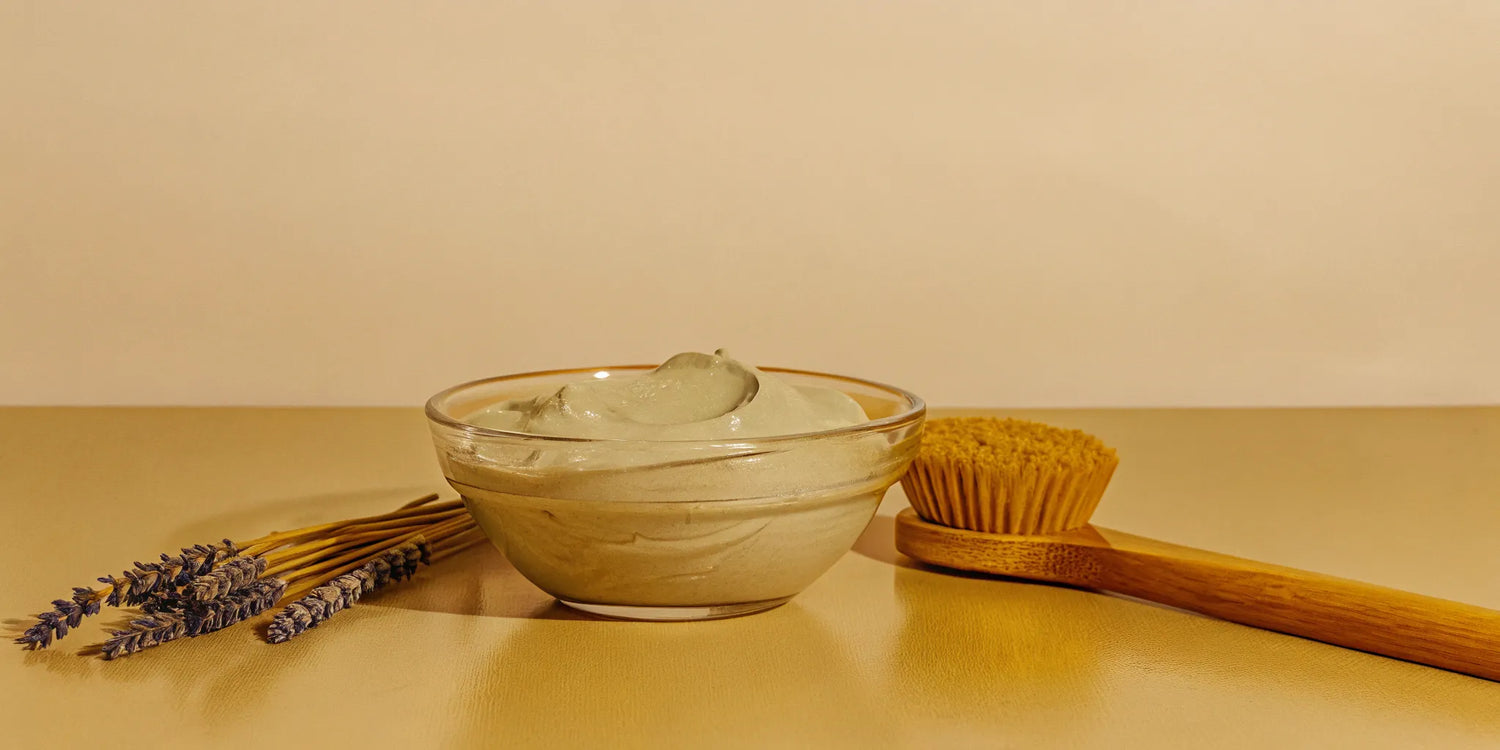
For those with reactive complexions, the word "facial" can bring up feelings of anxiety rather than excitement. We’ve all heard stories—or experienced firsthand—a treatment that promised a healthy glow but delivered a week of redness and irritation instead. It’s enough to make you want to give up entirely. But what if the problem isn’t the facial itself, but simply choosing the wrong one? Many modern treatments are specifically formulated to be incredibly gentle. We’ll show you which type of facial for sensitive skin uses soothing ingredients and non-invasive technology to calm inflammation and build resilience, proving that you can achieve brilliant results without compromising your skin’s comfort.
Key Takeaways
- Prioritize Gentle, Non-Invasive Facials: You can get incredible results without irritation. Look for treatments like LED light therapy, HydraFacials, or enzyme peels that work with your skin to calm and hydrate, rather than relying on aggressive exfoliation.
- Learn to Read Skincare Labels: Understanding ingredients is your best defense against flare-ups. Actively seek out calming hydrators like hyaluronic acid and barrier-builders like ceramides, while steering clear of common triggers such as artificial fragrances and drying alcohols.
- Build a Resilient Skin Barrier Through Consistency: The true goal is to make your skin less reactive over time. This is best achieved with a steady routine of gentle care, whether through regular professional facials or consistent at-home treatments with a device like an LED mask.
The Best Facials for Sensitive Skin
Finding the right facial when you have sensitive skin can feel like a mission. You want all the glowing, rejuvenating benefits, but you’re rightfully wary of redness, irritation, and post-treatment flare-ups. The good news is you don’t have to sit on the sidelines. Several professional treatments are specifically designed to be gentle yet effective, giving your skin the care it needs without the drama. From high-tech hydration to light-based therapies, the world of facials has evolved to cater to even the most reactive complexions. Let’s walk through four of the best facial options that work with your sensitive skin, not against it, so you can book your next appointment with confidence.
HydraFacials
If your skin reacts to manual extractions or peels, a HydraFacial could be your new best friend. This treatment is famously gentle and uses a unique multi-step process to cleanse, exfoliate, extract impurities, and drench your skin in moisture. Instead of abrasive techniques, it uses a vortex-like wand to clear out pores while infusing your skin with hydrating serums. It’s a fantastic way to get a deep clean and a serious hydration top-up without causing irritation. Many people with sensitive skin find it leaves their complexion feeling calm, smooth, and intensely nourished.
Oxygen Facials
Think of an oxygen facial as a tall glass of water for thirsty, stressed-out skin. This treatment involves a machine that sprays highly concentrated oxygen molecules directly into your epidermis. This oxygen is usually infused with serums packed with botanicals, vitamins, and, most importantly, hyaluronic acid. The process is incredibly soothing and helps to reduce inflammation while plumping up your skin. It’s a brilliant choice if your main concerns are dehydration and redness, as it helps to strengthen your skin’s barrier and promote healing for a refreshed, dewy look.
LED Light Therapy
LED light therapy is a true game-changer for reactive skin because it’s completely non-invasive. It uses different wavelengths of light to address various skin concerns without any heat or harsh contact. Red light, for example, is brilliant for calming inflammation and stimulating collagen production, while blue light helps to manage breakouts. Because it’s so gentle, it’s an ideal treatment for reducing redness and soothing sensitivity. You can get this treatment in a salon or use at-home LED masks to give your skin consistent, calming care right from your sofa.
Gentle Enzyme Facials
Exfoliation is tricky with sensitive skin, but it’s still a necessary step for a bright complexion. Enter gentle enzyme facials. Instead of using gritty scrubs or strong acids, these treatments use natural fruit enzymes from sources like pineapple and papaya to dissolve dead skin cells. This form of exfoliation is much milder and works on the surface to reveal smoother, brighter skin without causing irritation. It’s the perfect way to get the benefits of exfoliation—like better product absorption and a more even tone—while keeping your skin happy and soothed.
Ingredients Your Sensitive Skin Will Love
When your skin is sensitive, reading an ingredients list can feel like trying to crack a code. But knowing which ingredients are your allies helps you shop with confidence. The right formula won't just avoid irritation; it will actively calm, hydrate, and strengthen your skin. Let's look at a few standouts that are gentle yet incredibly effective.
Soothing Botanicals: Chamomile & Aloe Vera
If your skin is prone to redness, botanical ingredients can be wonderfully calming. Aloe vera is a classic for a reason—it’s brilliant at soothing irritation and providing light hydration. Another one to look for is Centella Asiatica (Cica), which is fantastic for repairing skin and reducing inflammation. You'll also find ingredients like chamomile and green tea extract in many formulas for sensitive skin. They are packed with antioxidants that help protect and settle an upset complexion, working to bring your skin back to a state of balance.
Hydrating Heroes: Hyaluronic Acid
Hydration is non-negotiable for happy skin, especially when it's sensitive. Dehydrated skin often has a compromised barrier, making it more vulnerable to irritants. This is where hyaluronic acid comes in. It’s a superstar hydrator that pulls moisture into your skin for a plump, dewy look. Think of it as a big drink of water for your face. When your skin is properly hydrated, it feels more comfortable and is better equipped to defend itself. You can learn more about hyaluronic acid and how it keeps skin supple.
Barrier Support: Ceramides & Niacinamide
A strong skin barrier is your first line of defense against irritation, keeping moisture in and irritants out. Ceramides are lipids that are naturally part of your skin barrier, so using products with them helps replenish what might be missing. Niacinamide (a form of vitamin B3) is another powerhouse ingredient known for its ability to calm sensitive skin and improve its barrier function. Together, these ingredients help fortify your skin, making it less reactive and more resilient over time. They essentially help patch up your skin's protective wall.
Red Flags: Ingredients to Avoid for Sensitive Skin
Walking the skincare aisle can feel like a minefield when you have sensitive skin. You pick up a promising new serum or moisturiser, only to find it leaves your face red, itchy, or breaking out. The key to avoiding this frustrating cycle is learning to read the label and spot potential irritants before they ever make it into your basket. Think of it as your skincare superpower. Certain ingredients, while popular, are notorious for disrupting the delicate balance of sensitive skin. Understanding which ones to steer clear of will help you build a routine that calms and supports your skin barrier, rather than challenging it.
Harsh Acids and Chemical Exfoliants
We all want that fresh, glowing look, and chemical exfoliants like Alpha-Hydroxy Acids (AHAs) and Beta-Hydroxy Acids (BHAs) are often touted as the fastest way to get there. But for sensitive skin, high concentrations of these acids can be too much, stripping the skin and causing significant irritation. The same goes for strong retinoids. Unless you’re being guided by a dermatologist, it’s best to approach these with caution. Over-exfoliating can damage your skin barrier, leading to a cycle of redness and reactivity. If you’re looking for a gentle way to slough off dead skin cells, consider milder alternatives like Polyhydroxy Acids (PHAs) or enzyme-based exfoliants.
Artificial Fragrances and Drying Alcohols
There’s nothing wrong with wanting your products to smell nice, but the word "fragrance" or "parfum" on an ingredients list can hide a cocktail of potential irritants. These synthetic scents are a common cause of contact dermatitis, leading to the stinging, burning, or itching that many people with sensitive skin know all too well. Even natural fragrances from essential oils like citrus and lavender can be problematic. Another ingredient to watch for is drying alcohol, often listed as SD alcohol, denatured alcohol, or isopropyl alcohol. These are used to make creams feel lighter, but they can strip your skin of its natural oils, leaving it tight, dry, and vulnerable to irritation.
Abrasive Scrubs and Potent Essential Oils
The satisfying feeling of a physical scrub can be tempting, but harsh exfoliants with large, jagged particles (like crushed nut shells or fruit pits) can create tiny micro-tears in your skin. This physical damage weakens your skin’s defences and can trigger inflammation and redness. Instead of aggressive scrubs, opt for a soft washcloth or a gentle cleanser. Similarly, just because an ingredient is natural doesn’t mean it’s gentle. Many essential oils are highly potent and can be major irritants for sensitive complexions. Ingredients like menthol and peppermint, for example, create a cooling sensation that can actually be a sign of irritation, so it’s best to avoid them in your daily routine.
Why LED Therapy is a Game-Changer for Sensitive Skin
If you have sensitive skin, you know the struggle of finding treatments that deliver results without causing a full-blown flare-up. So many facials and products rely on intense exfoliation or potent active ingredients that can leave reactive skin feeling red and irritated. This is where LED light therapy completely changes the game. It’s a gentle, non-invasive treatment that uses different wavelengths of light to work its magic deep within your skin cells. There’s no heat, no harsh chemicals, and no downtime—just calm, happy skin.
What was once a treatment you could only get in a dermatologist's office is now something you can easily do at home. LED therapy helps strengthen your skin barrier, soothe inflammation, and even tackle breakouts without stripping your skin of its natural moisture. It’s a supportive approach that works with your skin, not against it. By using specific colours of light, you can target your exact concerns. Red light is fantastic for calming things down, while blue light is a secret weapon against acne. It’s the perfect high-tech facial for skin that needs a little extra TLC.
Calm Inflammation with Red Light
Think of red light therapy as a soothing blanket for your skin. If you’re constantly dealing with redness and irritation, this is the treatment for you. Red light wavelengths penetrate the skin to reduce inflammation and promote healing from within. This makes it incredibly effective for calming the visible signs of sensitivity, whether it’s from rosacea, a reaction to a new product, or an angry blemish. Unlike other treatments that can be too intense, red light helps calm irritated skin without any discomfort. It encourages circulation and cellular repair, helping your skin become more resilient and less reactive over time.
Tackle Breakouts with Blue Light
Breakouts are frustrating enough on their own, but when you have sensitive skin, treating them can feel like an impossible task. Many traditional acne products are incredibly drying and can make redness and irritation even worse. Blue light therapy offers a smarter solution. It works by specifically targeting the acne-causing bacteria on the skin’s surface, stopping breakouts before they even have a chance to fully form. Because it’s so targeted, it eliminates the bad bacteria without harming the surrounding skin. This means you can clear up blemishes and prevent future ones without compromising your delicate skin barrier.
Gentle, Daily Care with At-Home LED Masks
One of the best things about LED therapy is how accessible it has become. Consistency is everything when it comes to managing sensitive skin, and at-home LED masks make it easy to stick to a routine. You can get all the benefits of this incredible technology while relaxing on your sofa. A device like the NOVALIGHT™ Regenmask 2.0 allows you to incorporate a gentle, effective treatment into your daily schedule. This regular care helps build a stronger, healthier skin barrier, making your skin less prone to sensitivity in the long run. It’s a simple, effective way to take control of your skin’s health.
The Pros and Cons: What to Expect from Your Facial
Deciding to get a facial is a great step toward your skincare goals, but it's smart to go in with a clear picture of what to expect. While facials can offer incredible benefits, they aren't a one-size-fits-all solution, especially for sensitive skin. The key is understanding both the potential rewards and the risks involved. A great facial can leave your skin feeling refreshed and calm, but the wrong one can lead to irritation and setbacks. It's all about finding treatments specifically made to soothe and protect your skin. Before you book an appointment or try a new at-home treatment, it’s helpful to weigh the pros and cons. On one hand, a well-chosen facial can deliver targeted ingredients deeper into the skin than your daily products, address specific concerns like dehydration or redness, and provide a relaxing experience. On the other hand, the wrong ingredients or techniques can trigger inflammation, leaving your skin in worse shape than before. Thinking about your long-term goals, knowing what red flags to watch for, and weighing the benefits of professional treatments against consistent at-home care will help you make the best choice for your skin. This way, you can invest your time and money wisely, ensuring every treatment moves you closer to the healthy, glowing skin you deserve.
The Long-Term Goal: A Stronger Skin Barrier
Think of facials as a workout for your skin. A single session can provide a temporary glow, but the real magic happens with consistency. The ultimate goal of regular, gentle facials is to build a stronger, more resilient skin barrier. When your skin barrier is healthy, it's better at retaining moisture and protecting itself from environmental irritants. This means that over time, your sensitive skin can actually become less reactive and prone to redness. By choosing treatments with soothing, barrier-supporting ingredients, you're not just getting a quick fix; you're training your skin to be its strongest, calmest self. It’s a long-term investment in your skin’s health.
Potential Risks and How to Spot Them
It’s just as important to know when to avoid a facial. If your skin is already compromised—for instance, if you have an active rash, a sunburn, or severely irritated skin—it's best to wait. Pushing your skin when it's already stressed can make things worse. After a treatment, listen to your skin. A little temporary pinkness can be normal, but widespread redness, rashes, hives, or a stinging or burning feeling are signs that something isn't right. These reactions can be triggered by harsh products or techniques that are too aggressive for your skin type. Understanding your skin's unique needs is the first step to avoiding these issues and choosing treatments that will help, not harm.
Professional vs. At-Home: Which is Right for You?
There’s a place for both professional treatments and at-home care in a solid skincare routine. A professional esthetician can offer expert analysis and access to powerful treatments you can't get at home. However, salon facials can be expensive and may not fit into your schedule regularly. This is where at-home devices shine. Consistent, gentle care is often more beneficial for sensitive skin than an occasional, intensive treatment. An at-home LED mask, like the NOVALIGHT™ - Regenmask 2.0, allows you to give your skin a daily dose of calming, rejuvenating light therapy from your own sofa. It’s a fantastic way to maintain your skin’s health between professional appointments or as your primary gentle treatment.
Your Action Plan: Choosing the Perfect Facial
Feeling ready to book a treatment or try a new at-home routine? That’s brilliant. But before you jump in, a little prep work can make all the difference between a glowing result and a skin freak-out. Think of this as your personal checklist for making smart, skin-loving decisions. Whether you're visiting a professional or setting up your own spa session at home, having a clear plan ensures your sensitive skin gets the gentle, effective care it truly deserves. It’s all about being proactive and putting your skin’s needs first.
Always Patch Test First
This is the golden rule of sensitive skincare, and it’s non-negotiable. Before you let any new product or treatment near your face, you need to do a patch test. A professional should always offer this, but don’t be afraid to ask. Simply request a small test on a discreet area of your skin, like behind your ear or on your inner arm, to see how it reacts over 24 hours. This simple step helps you spot potential irritation or an allergic reaction before it becomes a full-blown problem. It’s a five-minute task that can save you days of redness and discomfort.
Key Questions for Your Skincare Pro
Walking into a facial appointment should feel like a partnership. You’re the expert on how your skin feels day-to-day, and they’re the expert on treatments. Before you even lie down, it’s wise to consult with a skin expert to figure out your skin type and concerns. A great aesthetician will listen carefully and help you create a special treatment plan tailored just for you. Come prepared with questions like, "What specific ingredients will you be using?" and "How will this treatment address my redness and sensitivity?" This conversation ensures you’re both on the same page and that the facial is truly right for you.
Nailing Your Post-Facial Routine
The care doesn't stop once the facial is over. Your skin will be extra delicate, so a gentle post-treatment routine is key to locking in the benefits. For the next few days, stick to simple, soothing products. Choose skincare that is hypoallergenic and avoid any harsh exfoliants or active ingredients. Consistency is what truly builds resilience; regular, tailored facials can help your skin become stronger and less reactive over time. Supporting your skin between appointments with gentle at-home care, like our Regenmask 2.0, can also help maintain that healthy glow and build a more robust skin barrier.
Related Articles
- Pro Glow Renewal Facial: A Complete Guide
- Pro Glow Renewal Facial: A Complete Guide
- Pro Glow Renewal Facial: A Complete Guide
- Pro Glow Renewal Facial: A Complete Guide
- Pro Glow Renewal Facial: A Complete Guide
Frequently Asked Questions
How often should I get a facial if my skin is sensitive? There isn't a single magic number, as it really depends on your specific skin needs and how it responds. A good starting point for professional facials is every six to eight weeks. This gives your skin enough time to go through its natural cycle. More importantly, focus on consistent, gentle care at home. Using a calming treatment like an LED mask a few times a week can often do more to build resilience than an infrequent, intensive facial.
Can I use an at-home LED mask if I'm also getting professional facials? Absolutely. In fact, they work brilliantly together. Think of a professional facial as a periodic deep-clean and reset for your skin. An at-home LED mask is your daily maintenance tool. Using it between appointments helps to maintain the results, calm any lingering sensitivity, and continuously strengthen your skin barrier, making your professional treatments even more effective.
My skin is a little pink after a facial. Is that normal or a bad sign? A little bit of pinkness can be perfectly normal. It often just means there’s increased circulation in the area, which is a good thing. This type of flush should feel warm, not hot, and should calm down within an hour or two. The red flags you need to watch for are widespread redness that looks angry, or any accompanying stinging, itching, or bumps. That’s your skin telling you the treatment was too aggressive.
I'm nervous about any kind of exfoliation. Are enzyme facials truly safe? It's completely understandable to be cautious about exfoliation. What makes enzyme facials a safer bet is how they work. Instead of using abrasive particles or strong acids that can be too harsh, they use natural fruit enzymes to gently dissolve dead skin cells just on the surface. It's a much milder process. The key is to communicate with your aesthetician about your concerns so they can ensure the treatment is right for you.
What should I do if my skin reacts badly to a new facial or product? The first step is to stop using whatever you think caused the reaction. Don't try to push through it. Strip your routine back to the absolute basics for a few days—just a gentle, fragrance-free cleanser, a simple moisturizer, and sunscreen. This gives your skin a chance to calm down and repair itself. Once things have settled, you can slowly reintroduce products one at a time.



Laat een reactie achter
Deze site wordt beschermd door hCaptcha en het privacybeleid en de servicevoorwaarden van hCaptcha zijn van toepassing.