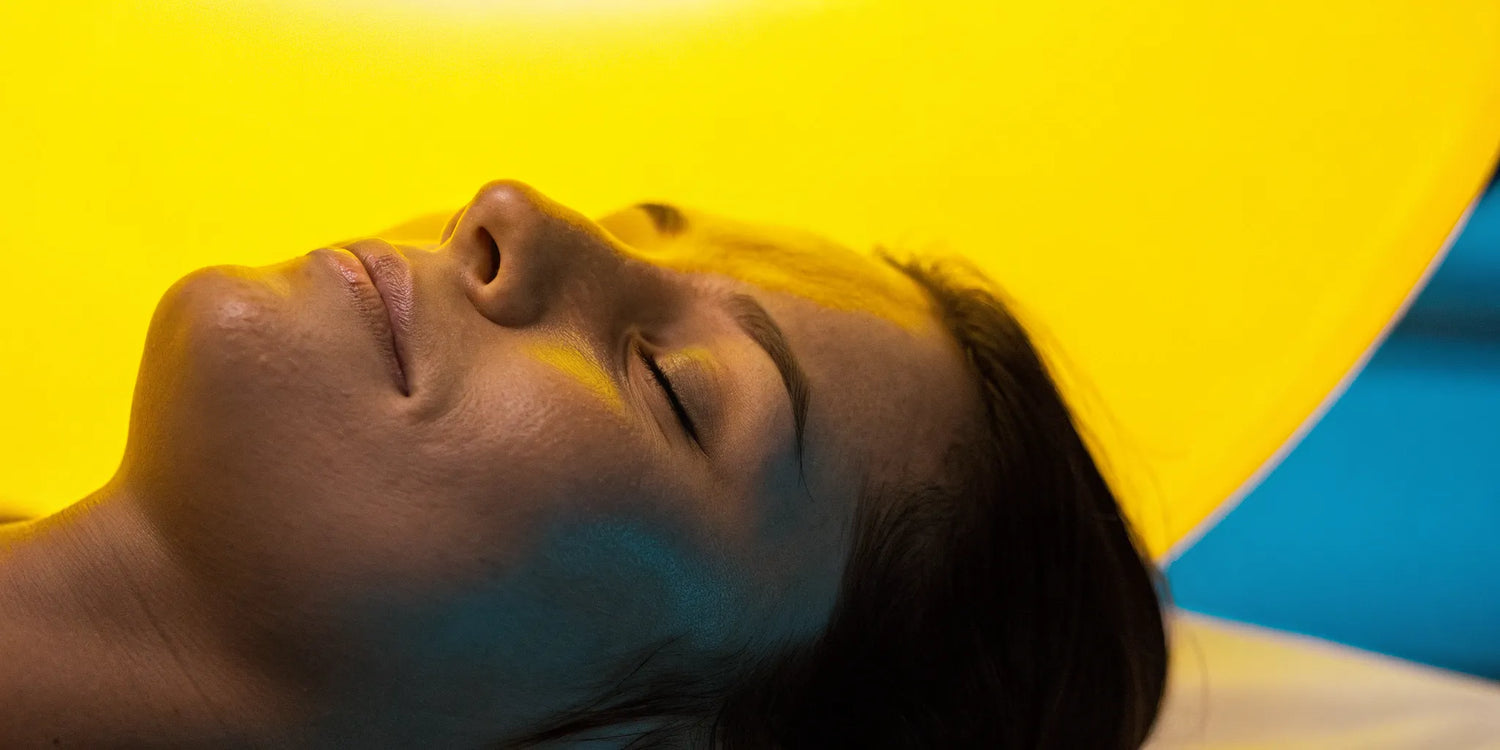
Getting professional skin treatments can be a huge commitment of time and money, making consistency a real challenge. But consistency is exactly what rosacea-prone skin needs to stay calm and balanced. The great news is that technology once reserved for dermatology clinics is now available to use in your own home. At-home LED masks have made it simple and convenient to incorporate powerful treatments into your daily routine. Specifically, using yellow LED light therapy for rosacea allows you to take control of your skin’s health on your own schedule, providing a steady, gentle way to reduce redness and inflammation without ever leaving your house.
Key Takeaways
- Calm Redness at the Source: Yellow LED therapy works by targeting inflammation deep within your skin, reducing redness and soothing irritation without the harshness of other treatments. It's a safe, non-invasive way to manage rosacea flare-ups.
- Make It a Regular Habit: Lasting results come from consistent use. For an at-home device, aim for three to five 10-20 minute sessions per week to strengthen your skin and achieve a calmer, more even complexion over time.
- Enhance Your Results with Smart Skincare: Get the most out of each session by starting with a clean, dry face. Follow up with hydrating serums and a soothing moisturiser, and always finish your morning routine with sunscreen to protect your skin from triggers.
What Is Yellow LED Light Therapy?
If you're dealing with persistent redness or rosacea, you know how frustrating it can be to find a solution that calms your skin without causing more irritation. That’s where yellow LED light therapy comes in. Think of it as a gentle, soothing treatment that works from the inside out to tackle redness at its source. It uses specific wavelengths of light to penetrate the skin, promoting healing and reducing inflammation deep within the cells. Unlike more aggressive treatments, it’s a non-invasive way to get a handle on facial redness and restore a more even, balanced complexion. It’s quickly becoming a go-to for those who need effective results without the harsh side effects.
How It Works on Your Skin
So, how does a simple light manage to calm angry skin? Yellow LED light therapy works by targeting the deeper layers of your skin to soothe and reduce inflammation. The light energy is absorbed by your cells, which helps to constrict blood vessels near the surface of your skin. This process is key to visibly reducing redness and flushing. Because it’s so gentle, it’s a fantastic option for all skin types, especially sensitive or reactive skin. You won’t have to worry about the discomfort, downtime, or risks often associated with lasers or chemical peels. Instead, it’s a calming experience that supports your skin’s natural healing process.
What's Special About the 590nm Wavelength?
Not all light is created equal, and the 590-nanometer (nm) wavelength used in yellow light therapy is special. This specific wavelength is perfectly tuned to penetrate the skin to an optimal depth where it can effectively improve blood circulation and lymphatic flow. This helps clear out toxins and deliver more oxygen and nutrients to your skin cells, which is essential for repair and rejuvenation. The 590nm wavelength is particularly effective because it reduces redness by calming inflammation and soothing irritation. It gives your skin the support it needs to become stronger, more resilient, and visibly less flushed over time.
What Is Rosacea?
If you’ve ever dealt with persistent facial redness that just won’t quit, you might be familiar with rosacea. It’s a common skin condition that often shows up as flushing or blushing on the cheeks, nose, and chin. For some, it can also include visible blood vessels and small, acne-like bumps, which can be really frustrating to manage. It’s a chronic condition, meaning it can flare up for weeks or months and then calm down for a while.
Understanding what’s happening with your skin is the first step toward getting it under control. Rosacea’s exact cause is still a bit of a mystery, but it’s thought to be a combination of hereditary and environmental factors. It’s not something you did wrong; it’s just how your skin is wired. The key is to learn what makes your skin react and find gentle, effective ways to soothe it. While there isn't a cure, there are many ways to manage the symptoms and keep your skin looking and feeling its best.
Common Rosacea Triggers
One of the trickiest parts of living with rosacea is figuring out what causes a flare-up. These triggers can be different for everyone, but some common culprits tend to pop up again and again. Things like sipping a glass of red wine, enjoying spicy foods, or spending a little too much time in the sun can all set off a reaction. Even stress, hot drinks, and intense exercise can be on the list. The best approach is to become a bit of a detective with your skin. Keeping a simple diary can help you identify your personal triggers and learn what to avoid.
Why Traditional Treatments Can Fall Short
When you first get a diagnosis, your doctor might suggest topical creams or oral medications to help control the redness and bumps. For many people, these can be a great starting point. However, they don’t always get the job done on their own, and sometimes the results can be inconsistent. More intensive options like laser therapy can be very effective, especially for visible blood vessels, but they often come with a high price tag and require visits to a clinic. Since there’s no one-size-fits-all cure for rosacea, finding the right long-term management plan often means exploring different options to see what truly works for your skin.
How Yellow LED Light Therapy Helps Rosacea
If you're dealing with rosacea, you know the cycle of flare-ups can feel unpredictable and frustrating. You’ve probably tried countless creams and treatments that promise relief, only to be disappointed. This is where yellow LED light therapy comes in as a gentle but powerful ally. It works with your skin, not against it, to calm irritation and build resilience from within. Instead of just masking the symptoms, it addresses some of the underlying issues that contribute to rosacea, helping you achieve calmer, more balanced skin over time.
Calm Redness and Inflammation
The most visible and often frustrating symptom of rosacea is persistent redness. Yellow light therapy directly targets this by soothing inflammation deep within the skin. Think of it as a calming signal to your overactive skin cells. The specific 590nm wavelength penetrates the skin to a depth where it can reduce swelling and redness without any harshness or irritation. This gentle approach is perfect for sensitive, rosacea-prone skin that often reacts poorly to more aggressive treatments. By consistently managing rosacea inflammation, you can break the cycle of flare-ups and enjoy a more even, comfortable complexion. It’s a steady, supportive way to get the glow back in your skin.
Repair and Hydrate Your Skin Barrier
A healthy skin barrier is your first line of defence, but for those with rosacea, it’s often compromised. Yellow LED light helps rebuild and strengthen this vital barrier. It works by improving circulation and stimulating cellular repair, which encourages your skin to heal more efficiently. The light energy helps constrict blood vessels near the skin's surface, making redness less apparent. Unlike lasers or chemical peels that can require downtime, yellow light therapy is non-invasive and supports your skin’s natural functions. This process helps your skin become more resilient against environmental triggers, retain moisture better, and ultimately look and feel healthier and more refreshed.
Manage a Key Flare-Up Trigger
Inflammation is a primary trigger for rosacea flare-ups. Yellow LED light therapy offers a proactive way to keep it in check. The light penetrates deeply to stimulate the production of new red blood cells, which is essential for skin healing and rejuvenation. By reducing underlying inflammation, you’re not just treating a current flare-up; you’re helping to prevent future ones. This makes it an excellent long-term strategy for rosacea care. Consistent use can lead to skin that is less reactive and more stable. It’s a safe, effective way to give your skin the support it needs to stay calm, clear, and comfortable day after day.
What to Expect From Your Treatment
Starting any new skincare treatment can bring up a lot of questions. What will it feel like? How long until I see a change? The great news is that yellow LED light therapy is one of the most straightforward and gentle options available for managing rosacea. Unlike more intense procedures, it’s designed to be a calming and simple addition to your routine. The most important thing to remember is that consistency is your best friend here. Committing to regular sessions is what will help you achieve that calmer, clearer complexion you’re looking for. Let’s walk through exactly what you can expect when you begin.
How Often Should You Use It?
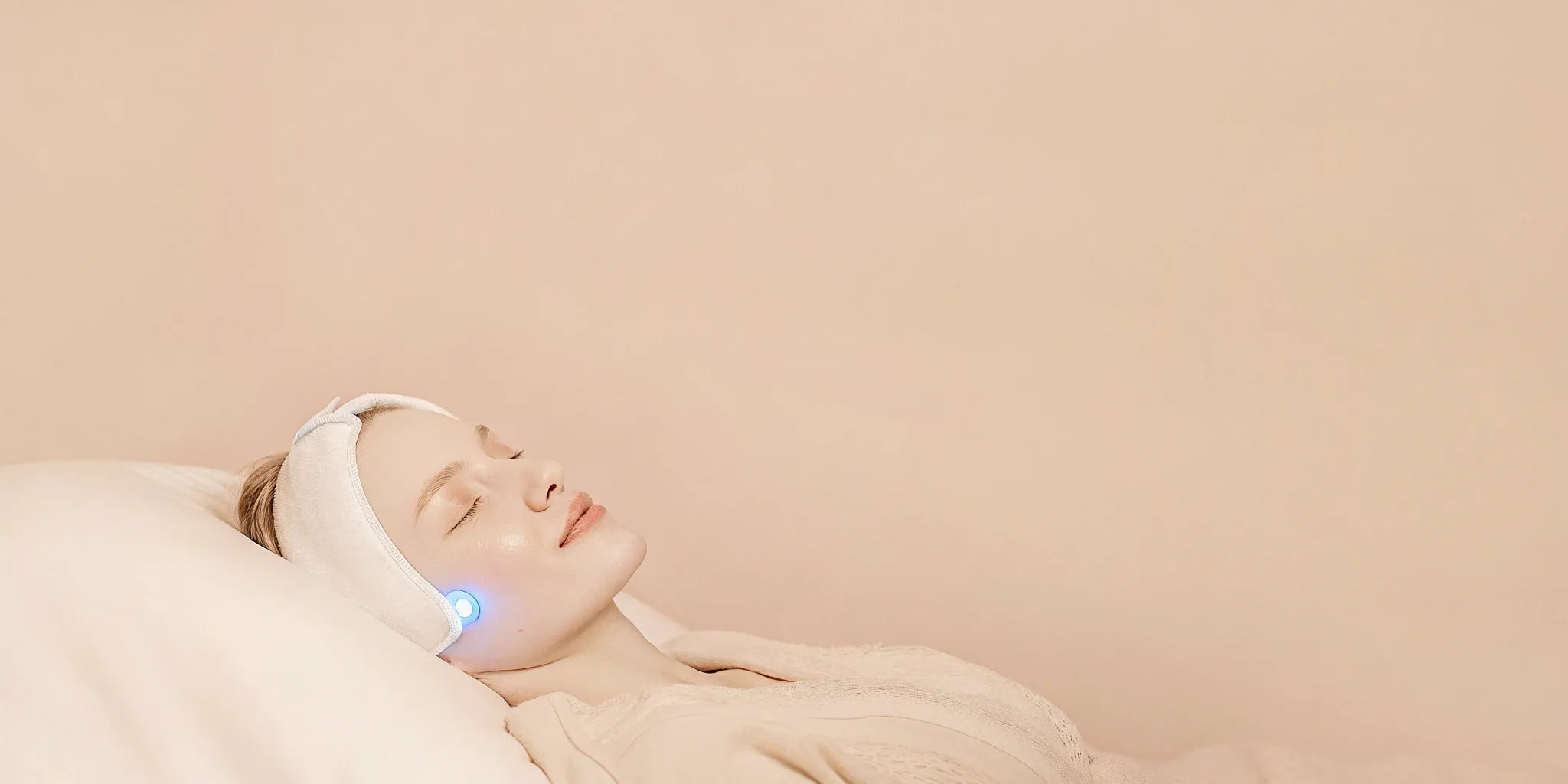
To see real, lasting changes in your skin, you need to use your LED mask regularly. Think of it like exercise for your skin cells—a single session is nice, but consistent workouts are what build strength. While in-office LED light therapy sessions are more powerful, their real-world effectiveness can be limited by cost and scheduling. This is where at-home devices truly shine, allowing you to get the frequency you need without the fuss. For most at-home masks, a good starting point is three to five times per week for about 10 to 20 minutes per session. Just pop on your mask, like the NOVALIGHT™ Regenmask, and relax while it works its magic.
What Does the Treatment Feel Like?
If you’re worried about discomfort, you can breathe a sigh of relief. Yellow LED light therapy is completely painless. One of the biggest benefits of this treatment is how gentle and non-invasive it is. When you have the mask on, you’ll likely feel a very mild, soothing warmth on your skin, but that’s it. There’s no stinging, burning, or discomfort involved. It’s actually quite a relaxing experience. And because it’s so gentle, there’s absolutely no downtime required. You can finish a session and immediately continue with your day, whether that’s applying makeup, heading to work, or going to bed. It’s a simple moment of self-care without any recovery time.
When Will You See Results?
Patience is key when it comes to skincare, and LED therapy is no exception. Because the light works at a cellular level to calm inflammation and encourage repair, you won’t see a dramatic change overnight. In the first few weeks, you might notice your skin feels a bit calmer or looks less irritated after a session. Over the first one to two months of consistent use, you should start to see a more noticeable reduction in overall redness and fewer flare-ups. Studies show that yellow light is a gentle and effective way to manage rosacea symptoms over time. Stick with it, and you’ll give your skin the best chance to heal and rebalance.
Are There Any Side Effects?
It’s completely normal—and smart—to ask about side effects before adding a new step to your skincare routine. You want to know exactly what you’re signing up for. When it comes to yellow LED light therapy, the conversation around safety is refreshingly straightforward. Because the technology is non-invasive and has been used by professionals for years, we have a good understanding of how it interacts with the skin.
The most important thing is to use your device as directed and understand the few situations where it might not be the right fit for you. Let’s walk through what you need to know to use your LED mask safely and confidently, so you can focus on achieving that calm, clear complexion you’re after.
A Look at the Safety and Risks
First, let's get to the good news. Yellow LED light therapy has a strong safety record. Unlike other light-based treatments that can be harsh, this therapy is gentle and non-invasive. It doesn't use any UV light, which is the type of light responsible for sun damage and skin cancer. Instead, it uses specific, gentle wavelengths to soothe sensitive skin, reduce redness, and support your skin’s natural healing processes. This makes it an excellent match for reactive, rosacea-prone skin that often can't tolerate more aggressive treatments. For most people, it’s a simple and safe way to manage redness without any downtime.
Who Should Avoid This Treatment?
While LED therapy is safe for most, there are a few exceptions. It’s best to avoid this treatment if you have certain conditions or are taking specific medications. For instance, you should not use it if you are taking medicines that make you sensitive to sunlight, such as isotretinoin for acne or lithium. It’s also not recommended for anyone with a history of skin cancer or certain eye conditions. If you're pregnant or have any underlying health concerns, the best first step is always to have a quick chat with your doctor or dermatologist before you begin treatment. They can give you personalised advice based on your health history.
How to Handle Temporary Side Effects
Most people experience no side effects at all, but it's possible to feel a little bit of warmth or see some mild redness immediately after a session. This typically fades within an hour. A very small number of people might notice a temporary stinging sensation during their first treatment, but this almost always subsides as your skin gets used to the therapy. If you experience this, you can try reducing your session time for the first few uses. Always make sure your face is clean and completely dry before putting on your mask, as leftover product can sometimes cause minor irritation. If any side effect feels intense or doesn't go away, stop using the device and check in with a skincare professional.
Yellow LED Therapy vs. Other Rosacea Treatments
If you’re managing rosacea, you know there are quite a few treatment options out there, from prescription creams to in-office procedures. Finding what works for your skin is a personal journey, and it helps to understand how each approach differs. While traditional methods have their place, yellow LED light therapy offers a uniquely gentle yet effective way to calm redness and inflammation without the harsh side effects or downtime associated with other treatments.
Unlike topical medications that work on the skin’s surface or lasers that use intense heat to target blood vessels, yellow light works on a cellular level. It stimulates your skin’s natural healing processes, strengthening it from the inside out. This makes it a fantastic standalone treatment for managing overall redness and sensitivity, but it can also be a great team player, working alongside other treatments to support your skin. The key difference lies in the mechanism: while other treatments often target the symptoms (like visible blood vessels or pustules), yellow LED therapy addresses the underlying inflammation and compromised skin barrier that contribute to those symptoms. Let’s break down how it compares to the most common options.
Topical Medications vs. LED Therapy
Dermatologists often prescribe topical creams and gels containing ingredients like metronidazole or azelaic acid to manage rosacea flare-ups. These can be effective at reducing inflammation and bumps, but they can also sometimes cause dryness or irritation. Yellow LED therapy offers a different path. Instead of applying a chemical to the skin’s surface, you’re using light to calm irritation from within. It’s a non-invasive approach that doesn't involve discomfort or downtime. Think of it as a soothing, restorative treatment that helps your skin heal itself, making it a great alternative or partner to your daily skincare products.
IPL and Lasers vs. LED Therapy
Intense Pulsed Light (IPL) and laser treatments are popular in-clinic options for tackling the visible signs of rosacea, especially persistent redness and broken capillaries. Laser therapy can deliver significant, long-lasting results by using concentrated light to heat and collapse targeted blood vessels. However, these treatments can be expensive, require multiple sessions, and often come with some recovery time. Yellow LED therapy, on the other hand, is a much gentler, non-thermal treatment. It reduces redness by decreasing inflammation and improving circulation without using heat, making it a pain-free option you can safely use at home to manage your symptoms consistently.
Can You Combine Treatments?
You don’t necessarily have to choose just one treatment. In fact, many skincare experts find that combining different approaches yields the best results. Yellow LED therapy can work in synergy with other treatments to enhance their effects and support your skin’s health. For example, using an LED mask after an IPL session can help soothe the skin and speed up recovery. You can also use it alongside your prescribed topical medications to provide an extra layer of anti-inflammatory action. It’s all about creating a holistic plan that addresses your rosacea from multiple angles, giving your skin the comprehensive support it needs.
How to Choose the Right LED Device
Once you’ve decided to give yellow LED light therapy a try, the next step is figuring out the best way to access it. You can go to a professional clinic or invest in a device to use in the comfort of your own home. Both paths can lead to calmer, clearer skin, but understanding the differences will help you choose the right one for your lifestyle and skincare goals. Let's walk through what you need to know to make a smart decision.
Professional vs. At-Home Options
Professional treatments at a dermatologist's or aesthetician's office are a great option, but they come with appointments to keep and higher costs per session. The main advantage of at-home devices is convenience. You can treat your skin on your own schedule, making it much easier to be consistent—which is key for seeing results with rosacea. Unlike some intense clinical procedures, at-home LED therapy doesn't involve discomfort or downtime. Many clinics combine light-based treatments, like yellow and red LED, to tackle redness from multiple angles. The good news is that many at-home masks offer this same versatility, giving you a comprehensive treatment without leaving your house.
What to Look For in a Device
When you're shopping for an at-home LED mask, safety and effectiveness should be your top priorities. LED light therapy has an excellent safety profile. It’s a non-invasive treatment that doesn’t use damaging UV light, making it safe for all skin types. Look for a device that is well-reviewed and designed for comfortable, regular use. A mask is often more practical than a handheld wand because it provides even, hands-free coverage over your entire face. Also, consider a device that offers multiple light settings. While yellow light is fantastic for calming redness and inflammation, having other options like red light for anti-ageing or blue light for acne gives you a more versatile tool for your long-term skin health.
A Closer Look at the NOVALIGHT™ Regenmask
If you’re looking for a reliable at-home option, the NOVALIGHT™ Regenmask is designed to bring professional-level results to your living room. This wearable mask uses a combination of light wavelengths, including amber (yellow) light to calm redness, red light to stimulate collagen, and blue light to target acne-causing bacteria. This multi-faceted approach means you can address rosacea symptoms while also working on skin texture and clarity. The advanced technology in the mask helps stimulate collagen production, which is essential for keeping skin firm and youthful. For an even more advanced treatment, the Regenmask 2.0 offers enhanced features for a truly customized skincare routine.
Get the Most From Your LED Therapy
Using your LED mask is wonderfully simple, but a few extra steps can make a world of difference to your results. Think of your device as the star player and your skincare routine as its essential support team. By creating the perfect environment for the light to work its magic, you’ll help your skin heal, calm, and glow even faster. Here’s how to build a routine that supports your yellow light therapy and gives your skin the best chance to thrive.
How to Prep Your Skin Before Treatment
Prepping your skin properly ensures the light can penetrate deeply and effectively, so don’t skip this step! Your goal is to start with a perfectly clean canvas. Begin by washing your face with a gentle, non-stripping cleanser to remove any makeup, sunscreen, and oil. Since rosacea-prone skin can be sensitive, avoid harsh scrubs or foaming cleansers that leave your skin feeling tight.
Once your skin is clean, gently pat it dry with a soft towel—no vigorous rubbing. It’s best to avoid applying any serums or moisturisers before your session, as some ingredients can block the light. Unlike more intense procedures, yellow light therapy is known for being incredibly gentle, with no discomfort or downtime. Your prep is simply about clearing the way for the light to do its job.
Your Post-Treatment Skincare Routine
After your session, your skin is perfectly primed to absorb nourishing ingredients. This is the ideal time to apply products that hydrate and soothe. Look for serums and moisturisers with ingredients like hyaluronic acid for hydration, ceramides to support your skin barrier, and niacinamide to help with redness. Yellow LED light therapy is brilliant for minimising redness and soothing inflammation, and your post-treatment routine should lean into that calming effect.
If you’ve done your treatment in the morning, the final and most crucial step is sunscreen. Rosacea-prone skin is particularly vulnerable to UV rays, which can be a major trigger for flare-ups. A broad-spectrum mineral-based sunscreen with at least SPF 30 will protect your skin and preserve the results you’re working so hard to achieve.
Lifestyle Tips to Support Your Skin
Consistency is your best friend when it comes to LED therapy. Stick to the recommended treatment schedule to see real, lasting changes. Beyond your sessions, paying attention to your daily habits can also have a huge impact. Try to identify your personal rosacea triggers, which can include things like spicy foods, alcohol, stress, or sun exposure. Keeping a simple diary can help you spot patterns.
You can also enhance your results by combining light therapies. Many devices, including the NOVALIGHT™ Regenmask, offer multiple light colours. Using yellow light to calm redness and red light to support collagen production can create a powerful, comprehensive routine for skin health. Ultimately, LED therapy is a safe and effective tool that works best as part of a thoughtful approach to skincare.
Related Articles
- Light Therapy for Redness: Does It Really Work?
- Light Therapy for Redness: Does It Really Work?
- Light Therapy for Redness: Does It Really Work?
- Light Therapy for Redness: Does It Really Work?
- Light Therapy for Redness: Does It Really Work?
Frequently Asked Questions
Is yellow LED light therapy actually safe for super sensitive, rosacea-prone skin? Absolutely. In fact, its gentle nature is precisely why it's such a great match for reactive skin. Unlike treatments that use heat or chemicals, yellow light works by soothing your skin on a cellular level without causing irritation. It's a non-invasive therapy that helps calm the underlying inflammation that contributes to redness, making it one of the safest ways to manage rosacea symptoms without risking a flare-up.
Can I use my regular skincare products with an LED mask? Yes, but timing is everything. You should always use your LED mask on clean, completely dry skin. Applying serums or moisturisers beforehand can create a barrier that blocks the light from penetrating effectively. After your session is complete, your skin is perfectly prepped to absorb products, so that’s the ideal time to apply your hydrating serums, soothing moisturisers, and, of course, sunscreen for daytime.
How is yellow light different from red light for treating rosacea? Think of them as having different specialities. Yellow light is the expert at calming redness, reducing inflammation, and improving circulation, which are the primary concerns with rosacea. Red light works a bit deeper to stimulate collagen production and support overall cellular repair, which is fantastic for skin texture and resilience. Many devices, like the Regenmask, include both so you can use yellow light to manage flare-ups and red light to strengthen your skin over the long term.
Will this treatment cure my rosacea for good? It's important to remember that rosacea is a chronic condition, which means there isn't a permanent cure. The goal is effective, long-term management. Yellow LED light therapy is a powerful tool for that management plan. By consistently calming inflammation and strengthening your skin barrier, it helps reduce the frequency and severity of your flare-ups, giving you more control over your skin and keeping it looking and feeling its best.
How often should I really be using my mask to see a difference? Consistency is truly the key to getting the results you want. For an at-home device, aiming for three to five sessions per week is the sweet spot. Each session helps to build on the last, gradually reducing inflammation and improving your skin's resilience. Think of it less like a one-off treatment and more like a regular, calming routine that gives your skin the steady support it needs to stay balanced.


Lämna en kommentar
Denna webbplats är skyddad av hCaptcha och hCaptchas integritetspolicy . Användarvillkor gäller.