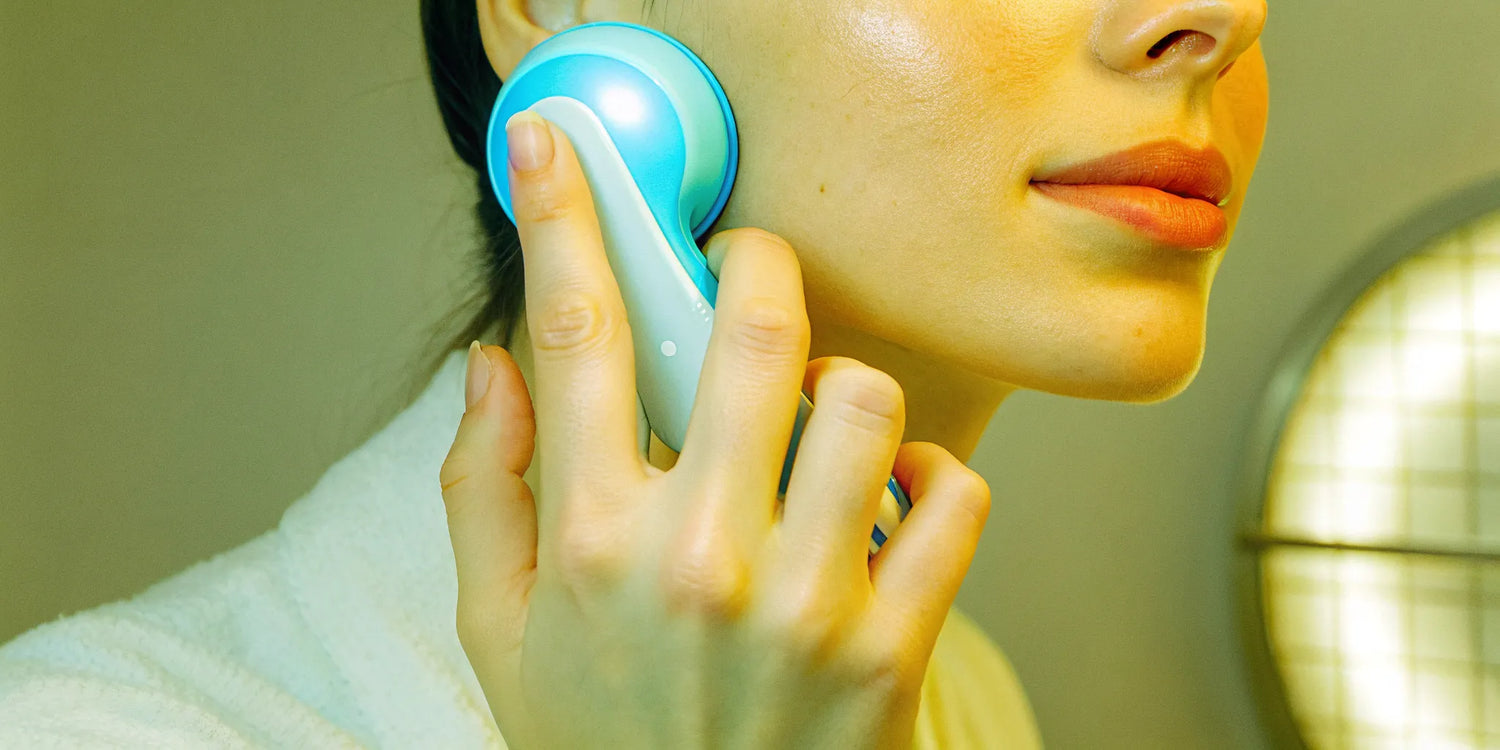
The best way to treat an acne scar is to prevent it from ever forming. Instead of reacting to skin damage after it’s already done, a proactive approach can keep your complexion clear and even. This is where blue light therapy truly shines. It works by disrupting the breakout cycle at its source, targeting the bacteria that cause inflammation and spots. By keeping acne under control, you give your skin the best possible chance to heal without leaving a mark. This preventative power is the most important factor when considering if blue light therapy works for acne scars, making it a foundational step for long-term skin health.
Key Takeaways
- It works by targeting bacteria, not your skin: Blue light therapy gently eliminates the bacteria responsible for breakouts without any harsh chemicals or downtime, helping to calm inflammation and clear your complexion.
- Focus on prevention to avoid scars: The best way to handle acne scars is to stop them from forming in the first place. Blue light therapy helps by clearing up breakouts quickly, reducing the inflammation that leads to dark spots and scarring.
- Commit to consistency for clear results: This isn't an overnight fix, but a long-term solution. Using your at-home device regularly is the key to seeing a real reduction in acne and maintaining clear, healthy skin over time.
What Is Blue Light Therapy and How Does It Work?
So, what exactly is blue light therapy? Think of it as a targeted, high-tech approach to skincare that uses specific wavelengths of light to treat conditions on or just below the skin's surface. It’s a gentle, non-invasive method that has become a go-to for tackling stubborn acne and the inflammation that comes with it. For years, this kind of light therapy was something you could only get in a dermatologist's office, often with a hefty price tag. But now, the same technology is available in easy-to-use at-home devices, letting you get professional-level results from the comfort of your sofa.
The core idea is simple: light, at the right frequency, can have a powerful therapeutic effect on your skin. Unlike UV light, which can be harmful, the light used in these therapies is carefully calibrated to be beneficial. Blue light, in particular, has a unique ability to address one of the root causes of breakouts. It works by zeroing in on the bacteria that lead to spots and inflammation, helping to clear up your current blemishes and prevent new ones from forming. It’s not magic—it’s science, made simple and accessible for your daily routine. By understanding how it works, you can see why it's become such a popular choice for anyone looking for clearer, calmer skin without harsh chemicals or downtime.
How Blue Light Wavelengths Work
The effectiveness of blue light therapy lies in its specific wavelength. Light exists on a spectrum, and blue light has a wavelength between 415 and 545 nanometers. This is important because this particular range allows the light to penetrate about 1-2 millimeters into your skin. It might not sound like much, but it’s the perfect depth to reach the sebaceous glands and hair follicles where acne-causing bacteria love to hide. This shallow penetration ensures the treatment is focused right where the problem starts, without affecting deeper layers of tissue. It’s a precise and targeted approach to dealing with surface-level skin concerns.
How Blue Light Fights Acne Bacteria
Here’s where it gets really clever. The primary culprit behind inflammatory acne is a type of bacteria called P. acnes. This bacteria produces light-sensitive molecules called porphyrins. When blue light hits these molecules, it triggers a chemical reaction that causes the acne bacteria to self-destruct from the inside out, all without damaging your surrounding skin cells. By reducing the amount of bacteria on your skin, you also reduce the inflammation, redness, and swelling that make breakouts so frustrating. This helps your skin heal faster and can even prevent future spots from forming.
Can Blue Light Therapy Really Help Acne Scars?
It’s the question on everyone’s mind after a breakout finally clears: what about the marks left behind? You’re not alone in wondering if blue light therapy can tackle acne scars. The short answer is yes, it can play a significant role, but it’s important to understand how. Blue light therapy is less about erasing deep, old scars and more about creating an environment where new scars are less likely to form.
Its main job is to stop acne in its tracks by killing the bacteria that causes it and calming inflammation. By getting active breakouts under control, you reduce the chances of developing post-inflammatory hyperpigmentation (those stubborn dark spots) and permanent scarring. Think of it as a powerful preventative tool that also helps your skin heal more efficiently from current blemishes. So, while it might not magically remove a pitted scar you’ve had for years, it’s a fantastic way to manage acne and minimise the damage it leaves behind. Let's break down what the science says and which types of scars see the best results.
What the Science Says About Scarring
When we look at the research, the evidence points to blue light therapy being a solid strategy for managing acne itself, which is the first step in preventing scars. Studies show that blue and blue-red light combinations are effective in treating mild to moderate inflammatory acne. The therapy works by targeting the P. acnes bacteria on the skin and reducing the inflammation that causes red, angry pimples.
By calming this inflammation, blue light therapy helps your skin’s healing process. This means blemishes can fade faster, which in turn helps prevent the formation of post-acne marks and scars. The key takeaway from most light-based therapy studies is that consistency is crucial. It’s not a one-and-done treatment, but rather a routine that helps keep your skin clear and resilient over time.
Which Acne Scars Respond Best?
Blue light therapy is most effective for preventing new scars and treating the discolouration left behind by pimples, often called post-inflammatory hyperpigmentation (PIH). Because it reduces inflammation and speeds up healing, it helps stop these dark spots from forming in the first place. Some sources suggest it can also help with shallower scars, like certain types of rolling or ice pick scars, by supporting the skin's overall healing.
The great news is that blue light therapy is generally safe for most skin types, including sensitive or darker skin tones that can be more prone to hyperpigmentation. However, for deep, pitted, or atrophic scars, you might need to pair it with other treatments for more dramatic results.
Clearing Up Common Myths
Let's clear the air on a few things you might have heard about blue light therapy. First, the light used in these treatments is not the same as the blue light from your phone or computer screen. Therapeutic blue light uses a very specific, targeted wavelength designed to kill acne bacteria without harming your skin. It also doesn't cause premature aging or damage like UV rays from the sun.
Another common myth is that it has harsh side effects. In reality, light therapy is a research-backed treatment known for being gentle. The most common side effect is some temporary redness in the treated area, which usually fades quickly. It’s a non-invasive treatment with no downtime, making it easy to fit into your regular skincare routine.
How Blue Light Therapy Fights Acne and Prevents Scars
Blue light therapy is more than just a treatment for existing spots; it’s a proactive strategy for clearer skin. It works on two fronts: calming the angry, active breakouts you have now and creating an environment where new ones are less likely to form. This dual action is what makes it so effective at preventing the one thing we all want to avoid: acne scars. By getting ahead of inflammation and stopping breakouts before they begin, you give your skin the best possible chance to heal smoothly and evenly.
Calming Inflammation and Active Breakouts
When you have an active breakout, your skin is inflamed. It’s red, swollen, and often painful. Blue light therapy acts like a calming force, dialing down that inflammation at the source. By soothing the skin, it helps blemishes heal much faster, which is crucial for preventing scars. The less time a spot spends on your face, the lower the risk of it leaving behind a dark mark or a pitted scar. This process helps your skin recover more quickly and reduces the chances of developing post-inflammatory hyperpigmentation—those stubborn dark spots that can linger for months after a pimple has gone.
Stopping Future Breakouts in Their Tracks
The best way to prevent acne scars is to prevent acne itself. Blue light therapy is a fantastic tool for this because it helps stop breakouts before they even have a chance to surface. By targeting and eliminating the acne-causing bacteria on your skin, it disrupts the cycle of breakouts. Think of it as maintaining a healthier, more balanced environment for your skin. Regular sessions can significantly reduce the frequency and severity of your acne, giving you more control over your complexion. This preventative approach is key to achieving long-term clarity and avoiding the damage that leads to scarring.
Helping Your Skin Heal Naturally
One of the best things about blue light therapy is that it supports your skin’s natural healing process. It’s a gentle, non-invasive treatment that encourages your skin to repair itself without harsh chemicals or side effects. Clinical studies have shown that consistent use of blue light can lead to a significant reduction in acne lesions. For example, many people see noticeable improvements after about eight weeks of regular treatments. This is where an at-home device like the NOVALIGHT™ Regenmask 2.0 really shines, making it easy to stay consistent and help your skin heal beautifully over time.
The Pros and Cons of Blue Light Therapy
Like any skincare treatment, blue light therapy has its own set of strengths and weaknesses. Understanding both sides helps you decide if it’s the right fit for your skin goals. It’s all about finding a solution that works for you, your lifestyle, and your specific skin concerns. Let’s break down what you can realistically expect from this gentle yet effective approach to clearer skin.
The Pros: A Gentle, No-Downtime Treatment
One of the biggest draws of blue light therapy is how gentle it is. Unlike more intense procedures like chemical peels or laser resurfacing, it’s a non-invasive treatment that works on the surface of your skin without causing damage. This means there’s absolutely no downtime—you can have a session and get right back to your day. It’s also considered safe for nearly all skin types, including sensitive skin. By calming inflammation, this therapy helps existing blemishes heal faster, which is a crucial step in preventing post-acne marks and scarring from forming in the first place. It’s a proactive and gentle way to manage breakouts.
The Cons: When It Might Not Be Enough
It’s important to have realistic expectations. While blue light therapy can make a noticeable difference, it’s not always a standalone cure for acne. Research shows it’s most effective for mild to moderate inflammatory acne—think red, sore spots rather than deep, cystic bumps. For more severe cases, it might not be enough to clear your skin completely. Think of it as a powerful tool in your skincare arsenal rather than a magic bullet. It works wonderfully to reduce bacteria and inflammation, but you may need to combine it with other treatments or a consistent skincare routine to achieve your ultimate skin goals. Some light-based therapy studies suggest it improves acne, but doesn't always resolve it entirely.
Who Should Skip This Treatment?
The good news is that blue light therapy is incredibly well-tolerated, and side effects are rare and minor. Some people might experience temporary redness, dryness, or slight peeling in the treated area, but this usually subsides quickly. However, it isn't for everyone. If you have a condition that causes photosensitivity, like lupus, or if you take medications that make your skin more sensitive to light (such as certain antibiotics or retinoids), you should chat with your GP or dermatologist first. They can help you weigh the benefits and ensure it’s a safe choice for you. Your safety always comes first, so a quick professional check-in is always a smart move.
What to Expect From Your Blue Light Therapy Sessions
So, you’re ready to give blue light therapy a try. It’s exciting to start a new treatment, but it’s also completely normal to wonder what the process actually looks like. How long does it take? When will you see results? And what should you do afterward? Knowing what’s ahead can make the entire experience feel more comfortable and effective.
The great thing about blue light therapy, especially with at-home devices, is that it’s designed to fit into your life, not disrupt it. Think of it as a dedicated moment of self-care a few times a week. Consistency is the most important part of the equation. Unlike a harsh treatment that requires significant downtime, this is a gentle and gradual process. Let’s walk through exactly what you can expect from your sessions, from the first time you switch on the light to the moment you start seeing that clear, calm skin you’ve been working toward.
How Long Are Sessions and What Happens?
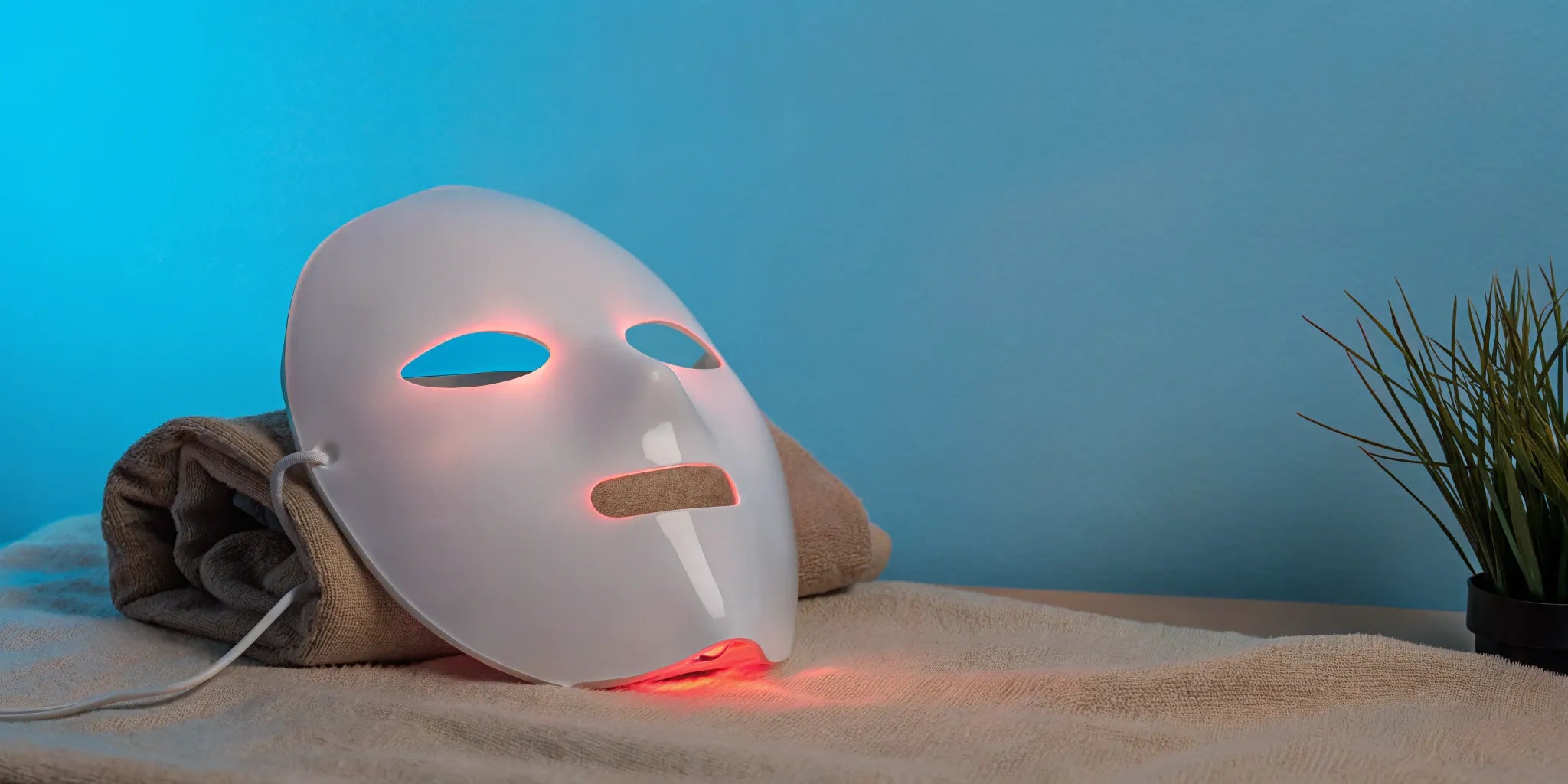
Getting started with blue light therapy is refreshingly simple. Each session is quite short, typically lasting between 15 and 30 minutes—just enough time to listen to a podcast or relax for a bit. If you're using an at-home device like the NOVALIGHT™ Regenmask, the process is straightforward. You’ll start with a clean, dry face, put on the mask, select the blue light setting, and let it work its magic. The built-in eye protection keeps you safe, so you don’t have to worry about a thing. In a clinical setting, a dermatologist might apply a special photosensitizing liquid to your skin first, but for at-home use, all you need is your device.
How Many Sessions Until You See Results?
Patience is your best friend when it comes to seeing real change. While blue light therapy gets to work immediately on acne-causing bacteria, visible results take a little time to show up on your skin’s surface. With consistent use, most people start to notice a reduction in acne within the first month, especially when doing sessions a few times per week. The most significant and satisfying results, like fewer breakouts and calmer skin, typically appear between four and eight weeks after you begin your treatment plan. Remember, every person’s skin is different, so stick with it—consistency is what truly creates that lasting clarity.
Your Results Timeline
To get a clearer picture of what’s possible, it helps to look at the research. One study on LED therapy found that after 12 weeks of consistent treatment with both blue and red light, participants saw a 76% reduction in inflamed acne spots. That’s a huge improvement! This is why many at-home devices, including our Regenmask 2.0, offer multiple light settings. The journey to clearer skin is a marathon, not a sprint. The first few weeks are about tackling active bacteria and calming inflammation, while the following weeks are focused on maintaining those results and preventing new breakouts from forming.
Side Effects and Simple Aftercare Tips
One of the biggest draws of blue light therapy is its gentle nature. Most people experience no side effects at all. If you do, they are usually very mild and temporary, such as slight redness, dryness, or minor irritation right after a session. To keep your skin happy, aftercare is simple but important. First, apply a gentle, hydrating moisturizer to soothe your skin and prevent dryness. Second, and this is non-negotiable, you must wear sunscreen. Your skin can be a bit more sensitive to the sun after treatment, so using a broad-spectrum sunscreen with SPF 30 or higher every single day is essential to protect your progress.
Can You Safely Use Blue Light Therapy at Home?
The idea of bringing a professional-level skin treatment into your own home sounds amazing, but it’s natural to wonder if it’s truly safe. The great news is that yes, you can absolutely use blue light therapy safely at home. At-home devices are designed specifically for personal use, with built-in safety features and lower intensities than the machines you’d find in a clinic. This makes them a gentle yet effective way to manage your skin consistently. It’s all about understanding the differences and knowing how to use your device correctly to get those clear, glowing results you’re after.
At-Home Devices vs. In-Clinic Treatments
Think of in-clinic treatments as a targeted sprint and at-home devices as your steady marathon training. A dermatologist uses a powerful, high-intensity machine for short, focused sessions—sometimes less than 20 minutes—to treat your skin. While effective, this approach requires you to book appointments, travel to a clinic, and pay for each session, which can add up quickly.
At-home devices, on the other hand, are all about convenience and consistency. They use a lower intensity of light, which makes them safe for you to use regularly without professional supervision. This consistency is key. By incorporating a device like the NOVALIGHT™ Regenmask into your routine a few times a week, you give your skin a steady dose of acne-fighting power, helping to prevent breakouts before they even start.
How to Use Your At-Home Device Safely
Using an at-home LED mask is incredibly straightforward, but following a few simple rules will ensure you get the best and safest results. First and foremost, always follow the instructions that come with your device, especially regarding treatment time and frequency. Overdoing it won’t speed up your results.
Always start with a clean, dry face, free of any makeup or serums that could block the light. While the side effects of blue light therapy are typically very minor—like temporary redness—it’s important to protect your eyes. Most quality masks have built-in eye protection, but you should never look directly into the LEDs. After your session, follow up with your favourite hydrating serum or moisturiser to soothe your skin.
Why Novalight Is Your At-Home Solution
When you compare the cost of ongoing clinic visits to a one-time purchase of an at-home device, the savings are clear. Novalight was created to bridge that gap, bringing you professional-level technology without the recurring expense or inconvenience. Our masks, like the advanced Regenmask 2.0, are designed to deliver effective, clinically-inspired results from the comfort of your couch.
We’ve focused on creating a device that is not only powerful but also comfortable and easy to use, so it fits seamlessly into your life. Instead of scheduling your week around appointments, you can get your treatment done while watching TV or winding down for the night. It’s a smart, simple, and cost-effective way to invest in your skin’s long-term health.
Blue Light Therapy vs. Other Scar Treatments
When you're looking for ways to manage acne scars, it’s smart to understand all your options. Blue light therapy is a fantastic, gentle tool in your skincare arsenal, but it’s just one piece of the puzzle. Depending on your skin type and the kind of scarring you have, you might consider different or complementary treatments. It’s all about finding the right approach for your unique skin journey and building a routine that helps you feel confident. Let's look at how blue light therapy compares to other popular treatments.
Exploring Your Other Options
The world of scar treatments is vast, including everything from topical creams and serums to in-clinic procedures like microneedling or chemical peels. These options often work by either encouraging cell turnover or stimulating collagen production to help fill in indented scars. While effective, many of these treatments can be harsh on the skin, requiring significant downtime and causing temporary redness or peeling.
This is where blue light therapy offers a different approach. It’s a completely non-invasive treatment that focuses on prevention. By targeting and eliminating acne-causing bacteria on the skin’s surface, it helps to improve active acne and stop breakouts before they can lead to new scars. Because it’s so gentle, you can use it consistently without disrupting your life, making it a perfect foundational step in any anti-acne skincare plan.
How It Stacks Up Against Peels and Lasers
So, how does a relaxing at-home light therapy session compare to more intense treatments like lasers or deep chemical peels? The main difference lies in how they work. Lasers and peels create a controlled injury to the skin to kickstart its natural healing process, which can be great for deeper, more established scars. However, they come with a higher price tag and require recovery time.
Blue light therapy is a much gentler player. It works on the surface to clear bacteria without causing any harm. For healing and rejuvenation, its perfect partner is red light therapy, which goes deeper to reduce inflammation and support skin repair. That’s why devices like the NOVALIGHT™ Regenmask 2.0 are so effective—they combine both lights, giving you a comprehensive treatment that tackles acne from multiple angles right from your sofa.
Should You Combine Treatments?
Yes, you absolutely can, and you probably should! Creating a skincare strategy that combines different treatments is often the most effective way to tackle stubborn acne and scarring. The most natural and powerful pairing is blue and red light therapy. Think of them as a dynamic duo: blue light clears the way by destroying bacteria, and red light follows up to calm irritation and help your skin heal faster.
This synergistic effect is more than just a theory; studies show that using both lights together leads to a significant reduction in acne. By calming inflammation, this combination helps prevent post-acne marks and stops new scars from forming. An at-home LED mask fits seamlessly into your daily routine and can even enhance the results of other products or professional treatments you may be using.
Get the Most From Your Blue Light Therapy
Think of blue light therapy as your skin's new best friend. To make the most of this friendship, you need to support it with a solid routine. Just like you wouldn't go for a run and then eat a whole pizza (or maybe you would, no judgment!), you want your daily habits to complement your treatment, not work against it. A few simple adjustments to your skincare and lifestyle can make a huge difference in your results, helping you achieve that clear, calm complexion you're working towards.
Whether you're using an at-home device like the NOVALIGHT™ Regenmask 2.0 or visiting a clinic, these tips will help you get the best possible outcome. It’s all about creating the perfect environment for your skin to heal and thrive, ensuring every light session counts.
Your Ideal Pre- and Post-Treatment Skincare
Proper prep and aftercare are non-negotiable for getting great results. Before you start, it’s a good idea to simplify your routine. Some active ingredients, like retinoids, can make your skin more sensitive, so many dermatologists recommend pausing them for a week or two before treatment. You’ll also want to avoid heavy sun exposure or tanning beds. The goal is to start with calm, happy skin.
After your session, your skin might feel a little dry or look slightly pink, which is completely normal. Treat it gently. Use a simple, hydrating moisturiser and avoid harsh exfoliants for a day or two. This is the time for soothing and healing, so let your skin recover and absorb all the benefits of the treatment.
Simple Lifestyle Habits for Better Skin
Your daily habits play a huge role in your skin's health. One of the most important things you can do is to keep your hands off your face. It’s tempting, I know, but picking at blemishes can lead to more inflammation and scarring, which is exactly what you’re trying to prevent. Let the blue light do its job of calming breakouts from within.
Staying hydrated and eating a balanced diet can also support your skin's healing process from the inside out. You don't need a complete lifestyle overhaul, but small, consistent efforts add up. Think of it as teamwork: you handle the simple daily habits, and your blue light therapy provides the targeted treatment to fight acne bacteria and reduce inflammation.
The Importance of Sunscreen and Daily Care
Sunscreen is your most important skincare product, especially when using light therapy. After a session, your skin can be more sensitive to the sun. Applying a broad-spectrum sunscreen with at least SPF 30 every single morning is crucial to protect it. This simple step prevents sun damage and helps maintain the results you’re achieving.
It's also reassuring to know that blue light therapy itself is considered very safe. Unlike the sun or tanning beds, it doesn't use harmful UV rays. This means you get the acne-fighting benefits without the risks associated with UV exposure, like premature ageing or skin cancer. So, while you need to be diligent with your SPF, you can feel confident that the treatment itself is a safe and effective choice for your skin.
Is Blue Light Therapy the Right Choice for You?
Deciding to try a new skincare treatment is a big step, and it’s smart to do your homework first. Blue light therapy is an exciting option for tackling acne and preventing scars, but it’s important to know if it aligns with your skin's needs and your lifestyle. Thinking about your goals, your skin type, and your expectations will help you figure out if this is the right path for you. Let’s walk through what you should consider before you get started.
What to Consider Before You Start
First, the great news: blue light therapy is a noninvasive treatment. That means no needles, no harsh chemicals, and no downtime. It’s a gentle approach that uses specific wavelengths of light to target acne-causing bacteria on and just under the skin. Think of it as a targeted, calming treatment for your breakouts. However, it’s not a one-time fix. The best results come from consistency. For the therapy to be effective, you’ll need to commit to regular sessions, which is why at-home devices have become so popular. An at-home mask like the NOVALIGHT™ Regenmask lets you build the treatment into your routine easily, without scheduling appointments. It’s a commitment, but one that can pay off with clearer, healthier skin.
When to Chat With a Dermatologist
While at-home blue light therapy is generally very safe, it’s always a good idea to chat with a dermatologist before starting a new treatment. This is especially true if you have severe or cystic acne, or if you’re using other treatments like prescription topicals. A professional can help you weigh the benefits and risks for your specific situation and confirm that blue light therapy is a good fit. You can also rest easy knowing that this therapy doesn't use UV light, the kind associated with sun damage and skin cancer. It’s a safe and well-studied technology. Think of a dermatologist as your skincare partner—they can help you create a complete plan where blue light therapy plays a key role in getting you the results you want.
Setting Realistic Goals for Your Skin
It’s easy to get excited about a new treatment, but let’s set some realistic expectations. Blue light therapy can make a huge difference in reducing acne and preventing new scars, but it’s not a magic wand that will erase every blemish overnight. Patience and consistency are your best friends here. Most people start to see a reduction in acne within a month of starting regular treatments, with the best results typically showing up after four to eight weeks. Sticking to a consistent schedule is what gets you there. By using a device like the Regenmask 2.0 a few times a week, you’re giving your skin the steady support it needs to heal and stay clear. Remember, you’re playing the long game for lasting skin health.
Related Articles
- 9 Best At-Home Blue Light Therapy for Acne
- 9 Best At-Home Blue Light Therapy for Acne
- 9 Best At-Home Blue Light Therapy for Acne
- 9 Best At-Home Blue Light Therapy for Acne
- 9 Best At-Home Blue Light Therapy for Acne
Frequently Asked Questions
How is the blue light in an LED mask different from the blue light from my phone? This is a great question, and it's a common point of confusion. The key difference is in the wavelength and intensity. The blue light in a therapeutic device like an LED mask is calibrated to a very specific wavelength that is proven to target and eliminate acne-causing bacteria. It’s a focused, controlled light designed for a specific job. The blue light from your phone or laptop screen is much broader and less concentrated, and it isn't designed to have any therapeutic effect on your skin.
Will this treatment work on my old, pitted acne scars? It’s important to have realistic expectations about what blue light therapy can do for different types of scars. Its greatest strength is in prevention. By calming inflammation and clearing up active breakouts, it significantly reduces the chances of new scars and post-acne dark spots from forming. While it can help with the overall healing and appearance of your skin, it is not designed to erase deep, indented scars you’ve had for years. For those, you might consider pairing light therapy with other professional treatments.
Can I use my regular skincare products with the mask? Yes, you can, but with a couple of simple guidelines. You should always use the mask on a clean, dry face, completely free of any products. This ensures the light can penetrate your skin effectively. After your session, you can apply your usual serums and moisturisers. If you use strong active ingredients like retinoids or acids, you might want to apply them on nights you don't use the mask, especially at first, just to see how your skin responds.
How long will it take to see a difference, and do I have to use it forever? Patience and consistency are everything. While the light starts working on bacteria right away, you'll likely begin to see a noticeable reduction in breakouts and inflammation within four to eight weeks of regular use. Once your skin has cleared up, you don't have to stop. Many people continue using their mask a couple of times a week as a maintenance routine to keep breakouts at bay and maintain that clear, calm complexion.
Is it actually safe to use a light therapy device on my face at home? Absolutely. At-home LED masks are designed with safety as a top priority. They use a much lower intensity of light compared to the powerful machines in a dermatologist's office, which makes them safe for regular use without supervision. They also don't use any harmful UV light. As long as you follow the manufacturer's instructions for session length and use the built-in eye protection, it's a very safe and gentle way to treat your skin.


Commenta
Questo sito è protetto da hCaptcha e applica le Norme sulla privacy e i Termini di servizio di hCaptcha.